Sustainable Solutions: How E-Waste Recycling Services Are Saving Our Planet
E-waste represents a considerable hazard to the environment, as abandoned electronic devices commonly carry harmful materials. Such dangerous compounds can pollute soil and water supplies, resulting in widespread environmental harm. E-waste recycling initiatives provide a practical answer. They serve the dual purpose of reclaiming precious materials and reducing contamination. Comprehending the operation of these services and their influence on communities is of great importance. Pursuing efficient e-waste management brings forth pressing questions regarding individual duties and shared responsibility. What measures can be pursued from this point onward?
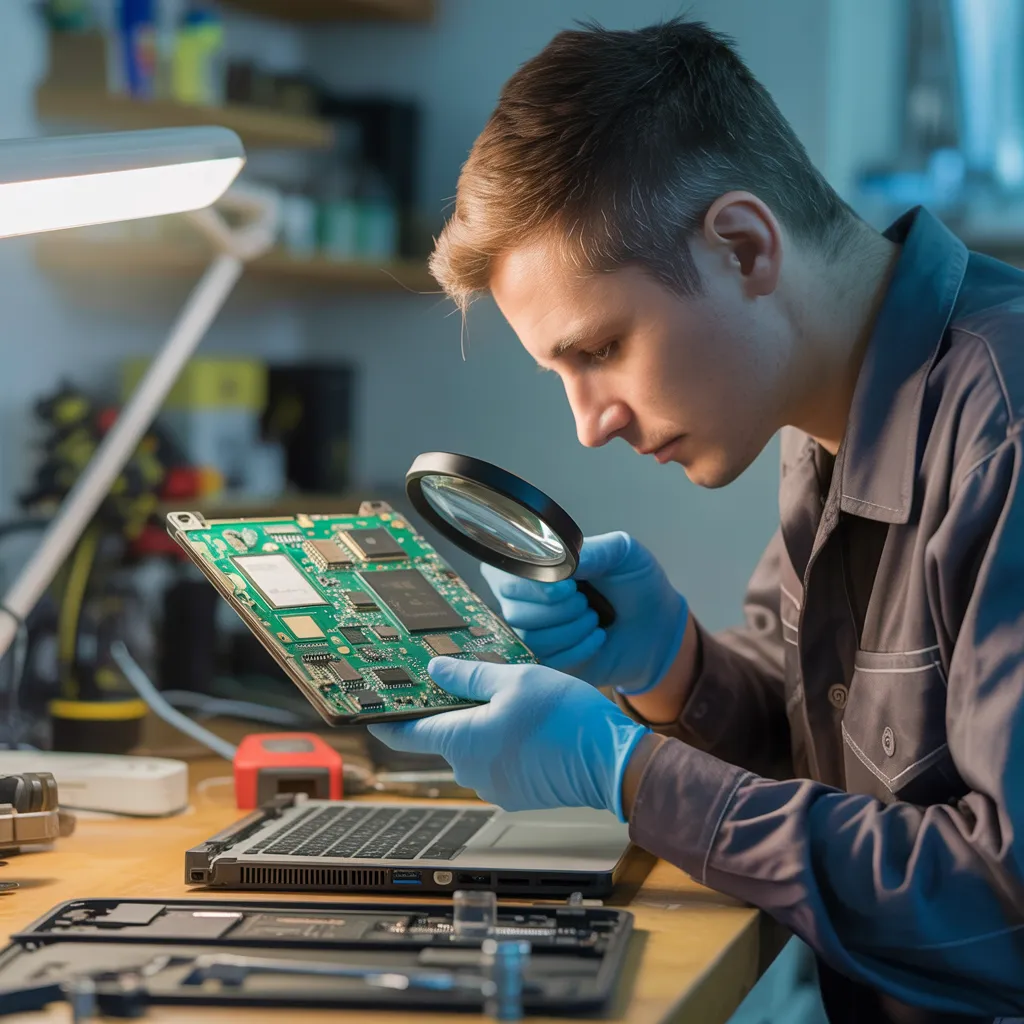
How E-Waste Is Hurting the Planet
While technology enriches modern life, e-waste creates significant environmental threats. Discarded electronic devices, commonly laden with toxic substances including cadmium, lead, and mercury, may release harmful substances into soil and groundwater, posing risks to both wildlife and human well-being. The rapid pace of technological advancement leads to greater consumer replacement of electronic devices, worsening the buildup of discarded electronic materials.
Landfills, already burdened with waste, struggle to accommodate the growing volumes of discarded gadgets. Incineration, a common waste management technique, emits dangerous pollutants into the environment, degrading atmospheric conditions. In addition, improper recycling practices can lead to the exportation of e-waste to developing countries, where laborers may dismantle devices without adequate safety measures, exposing themselves to dangerous substances. This ongoing cycle of carelessness and inadequate management emphasizes the pressing necessity for responsible recycling initiatives that can lessen the harmful consequences of e-waste on our world.
Understanding E-Waste and Its Significance
Electronic waste, commonly known as e-waste, encompasses discarded electronic devices such as smartphones, computers, and televisions that have exceeded their operational lifespan. This rapidly expanding waste category is noteworthy due to its rapid accumulation, driven by technological advancements and consumer trends. With an increasing number of devices reaching obsolescence, the ecological consequences become more pronounced, with toxic materials such as lead, mercury, and cadmium threatening both ecosystems and public health.
Addressing e-waste is crucial not only for reducing these dangers but also for acknowledging the precious materials found within it. Valuable metals and rare earth materials can be extracted and repurposed, lessening the demand for mining and preserving natural resources. Through a deeper awareness of e-waste and its consequences, both individuals and organizations can make well-informed choices regarding disposal and recycling, thereby supporting a more sustainable future. Responsible management of e-waste plays a key role in supporting a circular economy and championing environmental stewardship.
How E-Waste Recycling Works
The recycling of e-waste encompasses a systematic process aimed at reclaiming useful resources while reducing harm to the environment. To begin, discarded electronics are retrieved and sent to specialized recycling facilities. Once there, the electronics are carefully categorized to distinguish harmful elements from reusable resources.
Next, employees deconstruct the electronics, separating plastics, metals, and glass. This phase is essential, as it makes possible the retrieval of valuable metals like copper, gold, and silver, which are repurposed in new electronics.
Following this, the isolated materials are handled with cutting-edge techniques, such as mechanical shredding and chemical processing, to prepare them for reuse.
Ultimately, the remaining hazardous waste is handled with responsibility, complying with environmental regulations. This multi-step approach not only conserves resources but also minimizes the hazards linked to improper e-waste disposal, guaranteeing a greener future for electronic consumption.
Benefits of E-Waste Recycling for You and Your Community
Although it often goes unnoticed, the benefits of e-waste recycling extend beyond personal convenience to positively impact entire communities. By properly recycling electronic waste, individuals play a role in creating a safer environment, decreasing harmful substances that can contaminate soil and water. This proactive approach actively safeguards local ecosystems and supports public health.
Furthermore, e-waste recycling promotes job creation within communities. Local recycling facilities often require personnel for various operations, from collection to processing, thus generating valuable job opportunities to area workers. This not only enhances the community economy but also inspires community dedication to sustainable efforts.
Furthermore, knowledge about e-waste recycling has the potential to generate educational initiatives, encouraging residents to embrace sustainable practices. By engaging with e-waste recycling programs, individuals foster a culture of sustainability, encouraging others to join the movement. Ultimately, the cumulative impact of these actions can contribute to a more strong and environmentally aware community.
A Guide to Selecting an E-Waste Recycling Service
Choosing the best e-waste disposal service is essential for ensuring that electronic waste is managed with responsibility and sustainability. To begin, consumers should confirm the service's accreditations, such as R2 and e-Stewards certifications, which demonstrate adherence to established benchmarks for secure waste disposal procedures. It is equally important to evaluate the company's credibility by reading customer reviews and obtaining referrals See it here from reliable sources.
Furthermore, openness in the recycling process is crucial. A trustworthy company should offer detailed insights about how e-waste is processed and what happens to the materials. Moreover, considering the scope of services provided can prove valuable; some companies may provide pickup services or offer incentives for recycling.
In addition, learning about regional rules concerning e-waste disposal can help inform the choice of disposal method. By prioritizing these factors, residents can actively participate in efficient electronic waste handling alongside encouraging eco-friendly habits.
How You Can Get Involved in E-Waste Recycling?
Engaging in e-waste recycling often starts at the local level, where recycling centers often provide essential services for safe disposal. Furthermore, taking part in community awareness campaigns can strengthen efforts to educate others about the importance of responsible e-waste management. These actions not only encourage sustainable practices but also cultivate a collective sense of stewardship of the environment.
Regional Recycling Centers
Several regional recycling hubs play an essential role in electronic waste recycling, offering communities convenient opportunities to dispose of electronic waste responsibly. These stations receive a wide array of electronic equipment, including old computers, smartphones, and televisions, ensuring that harmful materials are handled safely. The majority of facilities employ trained staff who support individuals in understanding proper disposal practices, emphasizing the importance of recycling over landfilling. In addition, various hubs coordinate scheduled drop-off occasions or specific collection dates, enabling residents to engage without difficulty. By engaging with these local facilities, people help build a circular economy, decreasing environmental damage and advancing sustainable approaches. Connecting with these stations enables communities to combat e-waste pollution successfully.
Public Awareness Initiatives
Community groups, educational institutions, and companies can collaborate to host events that promote e-waste collection drives. Community members can serve a critical function in raising awareness, sharing informational resources, and connecting with local residents. By means of these joint initiatives, local inhabitants gain greater awareness and encouragement to properly recycle their e-waste, thereby helping to build a greener and more sustainable tomorrow.
Questions We Often Receive
What Electronic Devices Are Eligible for Recycling?
Many different electronics may be recycled, including smartphones, computers, laptops, televisions, printers, and gaming consoles. Furthermore, peripherals such as batteries, keyboards, and mice are well-suited for recycling, promoting efforts to conserve the environment.
Is There a Cost Associated With E-Waste Recycling?
Yes, e-waste recycling may involve charges, depending on the facility. Some service centers impose charges for collection or processing, while some providers make services available at no charge, often subsidized by the proceeds from salvaged materials.
How Do Businesses Gain From E-Waste Recycling?
Businesses can benefit from e-waste recycling by reducing disposal costs, improving their green reputation, adhering to regulatory requirements, recovering valuable materials, and possibly earning income through resale, thus supporting a greener and more sustainable operational framework.
What Happens to Data on Recycled Devices?
Details on recycled electronics is commonly irretrievably wiped or obliterated throughout the recycling process. This ensures confidential data is kept safe, preventing unauthorized access while permitting materials to be repurposed safely and responsibly in new products.
Is It Possible to Recycle Damaged Electronics?
Indeed, defective electronics can be recycled. A wide range of facilities accept non-functioning devices, providing proper disposal and extraction of valuable materials. This helps decrease the environmental footprint while supporting eco-friendly recycling methods to manage e-waste efficiently.